Tracing Bonus Incentive Distributions and Retention Correlations in Digital Tennis Wagering Platforms
Quinn Simmons · Oct 16, 2026
Tracing Bonus Incentive Distributions and Retention Correlations in Digital Tennis Wagering Platforms
Digital tennis betting environments have expanded significantly through 2026, with platforms distributing promotional credits in structured patterns that researchers track against retention data from October 2026 onward, and industry reports show allocation methods ranging from deposit matches to free bet credits tied directly to match-specific wagers on sets, games, and player performance metrics. Observers note that these systems operate across licensed operators where credit values typically range from 10 to 200 units per qualifying deposit, while retention rates get measured through repeat login frequency, wager volume over 30-day windows, and account activity persistence beyond initial signup periods.
Allocation Methods and Platform Data Trends
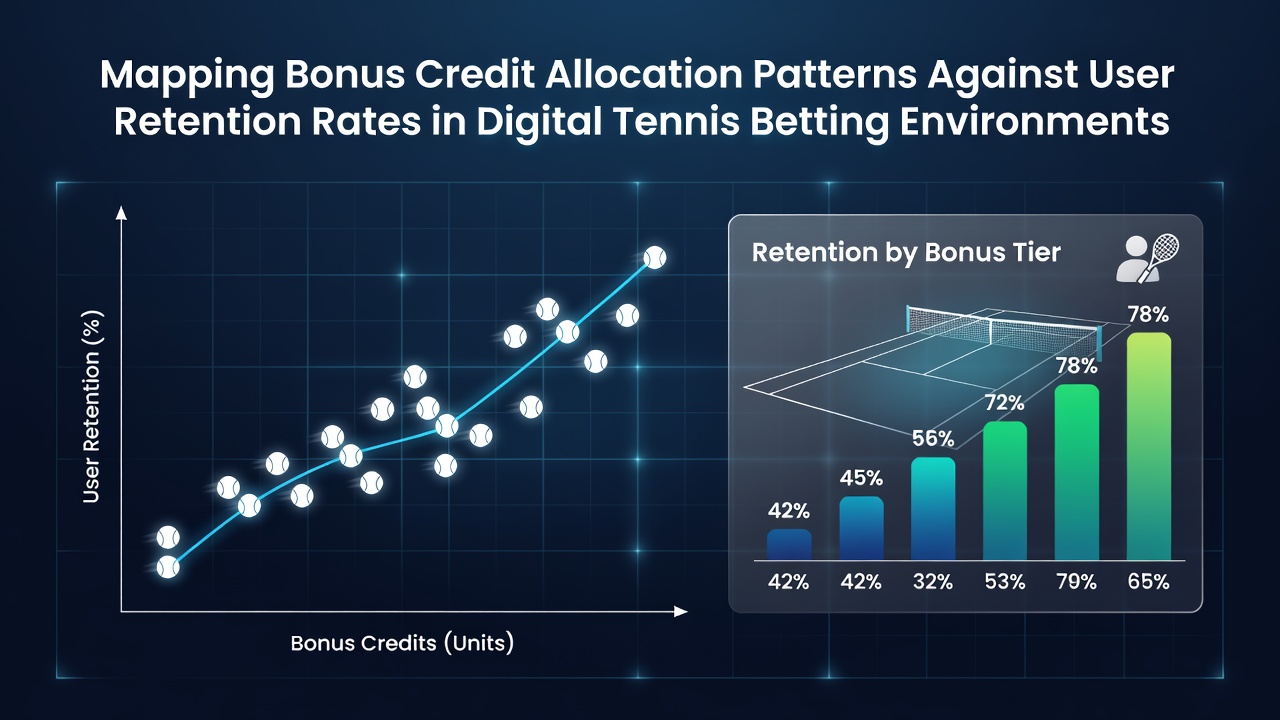
Operators allocate bonus credits through tiered structures that adjust based on user deposit history and engagement levels, whereas data compiled from multiple platforms reveals that credits tied to live tennis match betting produce higher initial activation rates compared to pre-match allocations alone. Studies from academic sources indicate patterns where weekly credit drops linked to grand slam events maintain steadier retention curves than daily micro-allocations, and figures from October 2026 show average retention holding at 42 percent for users receiving credits exceeding 50 units versus 28 percent for those below that threshold. Platforms segment users by geographic region and betting frequency so that high-volume tennis bettors receive credits calibrated to average stake sizes, while casual participants encounter smaller, more frequent distributions designed to encourage incremental activity increases.
Retention Measurement Approaches
Retention tracking relies on metrics including session duration, number of placed wagers per week, and conversion from bonus credit usage to cash wagering, while analysts cross-reference these against platform-wide benchmarks that account for seasonal tennis calendars and major tournament schedules. Research indicates that users who redeem credits within the first 48 hours after allocation demonstrate retention periods extending 15 to 22 days longer on average than delayed redeemers, and this pattern holds across both European and North American operator datasets. Regulatory bodies such as the Alcohol and Gaming Commission of Ontario publish quarterly summaries that include anonymized retention figures segmented by promotional type, providing external validation points for internal operator analyses.
Correlation Mapping Techniques
Mapping exercises plot credit allocation volume against retention duration using cohort analysis that groups users by signup month and credit receipt amount, and results from October 2026 datasets demonstrate positive correlations when allocations align with upcoming ATP or WTA events rather than generic timing. One study released through university research channels found that platforms using dynamic credit sizing based on real-time market liquidity achieved retention lifts of up to 11 percent in tennis-specific verticals compared to static allocation models, while another analysis highlighted how over-allocation in low-liquidity matches correlated with faster user drop-off after the initial credit period expired. These mappings incorporate variables such as average odds offered, total handle generated per credit unit, and geographic user distribution to isolate tennis-specific effects from broader sports betting behaviors.

Additional layers in the mapping process examine how credit expiration windows interact with retention, and evidence suggests shorter 7-day windows paired with tennis tournament tie-ins produce tighter retention clusters than extended 30-day periods that allow credits to remain unused. Operators adjust these parameters seasonally because data collected during the US Open and Australian Open periods shows distinct retention spikes when credits target specific match props like ace counts or set totals rather than blanket match winner bets.
Market Context and External Benchmarks
Industry organizations track these patterns across licensed markets, and reports from bodies such as the Australian Gambling Research Centre provide comparative retention statistics that place tennis betting environments alongside other niche sports verticals for context. October 2026 figures reveal that platforms emphasizing tennis credit allocations maintained steadier month-over-month retention than those focused primarily on football or basketball, although absolute volumes remain lower overall. Analysts incorporate external factors including tournament cancellations, player withdrawals, and surface-specific betting preferences when refining allocation algorithms, because these elements directly influence how quickly users exhaust or retain promotional balances.
Conclusion
Mapping exercises continue to evolve as operators integrate more granular user behavior signals into allocation decisions, and the resulting datasets from late 2026 offer clearer visibility into which credit patterns sustain engagement within digital tennis betting environments over extended periods. Researchers and platform teams review these correlations regularly to refine distribution rules that balance acquisition goals with long-term activity maintenance across different user segments and tournament cycles.