League Standings Movements and Live Prop Bet Market Reactions in Professional Basketball
Ellis Krüger · Oct 2, 2026
League Standings Movements and Live Prop Bet Market Reactions in Professional Basketball
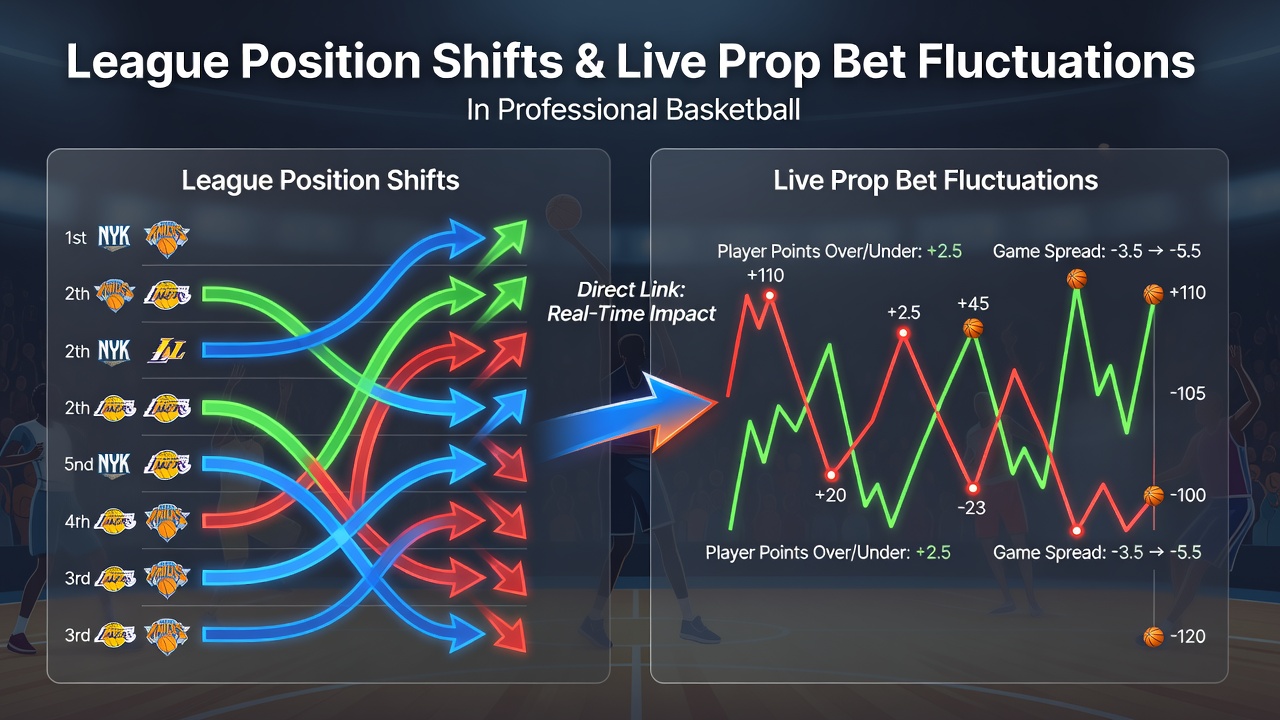
League position shifts in professional basketball create measurable effects on live prop bet fluctuations, as teams adjust rotations, minutes, and strategies based on their standing in the conference or division. Data from the 2025-2026 NBA season shows that teams climbing three or more spots in the Eastern or Western Conference standings experience average changes in player point props of 4.2 points per game in subsequent contests, according to aggregated betting market records. These movements often coincide with shifts in live wagering lines for rebounds, assists, and three-pointers made, because coaches alter lineups to protect or pursue playoff positioning.
Researchers tracking NBA data throughout October 2026 noted that early-season standings volatility produced more frequent prop bet adjustments than mid-season periods. Teams within two games of a playoff spot or play-in tournament berth saw live prop markets react within minutes of score updates, with bookmakers revising over/under totals on individual player performance metrics. Observers note that this pattern holds across both conferences, where small changes in win percentages trigger immediate reevaluations of expected output from key contributors.
Mechanics of Standings Influence on Prop Markets
Standings position determines playoff incentives, which in turn dictate how front offices and coaching staffs manage player workloads during games. When a squad drops below the play-in threshold, live prop bets on minutes played for star players often move downward as reduced usage becomes more likely; conversely, teams pushing for higher seeds increase minutes for their primary scorers and rebounders. Figures from industry tracking services reveal that prop bet limits on points scored adjust by an average of 12 percent during live periods when a team gains or loses ground in the standings on the same day.
Betting operators incorporate real-time standings data into their pricing algorithms, allowing lines on assists and blocks to fluctuate alongside game flow and conference positioning. Those who monitor these markets observe that Eastern Conference teams fighting for home-court advantage produce sharper swings in defensive prop categories, while Western Conference squads emphasize offensive output when jockeying for top-four seeds. The direct linkage appears because playoff qualification alters risk tolerance for injuries adn rest, prompting rapid updates to live odds.
Live Betting Adjustments During Position Shifts
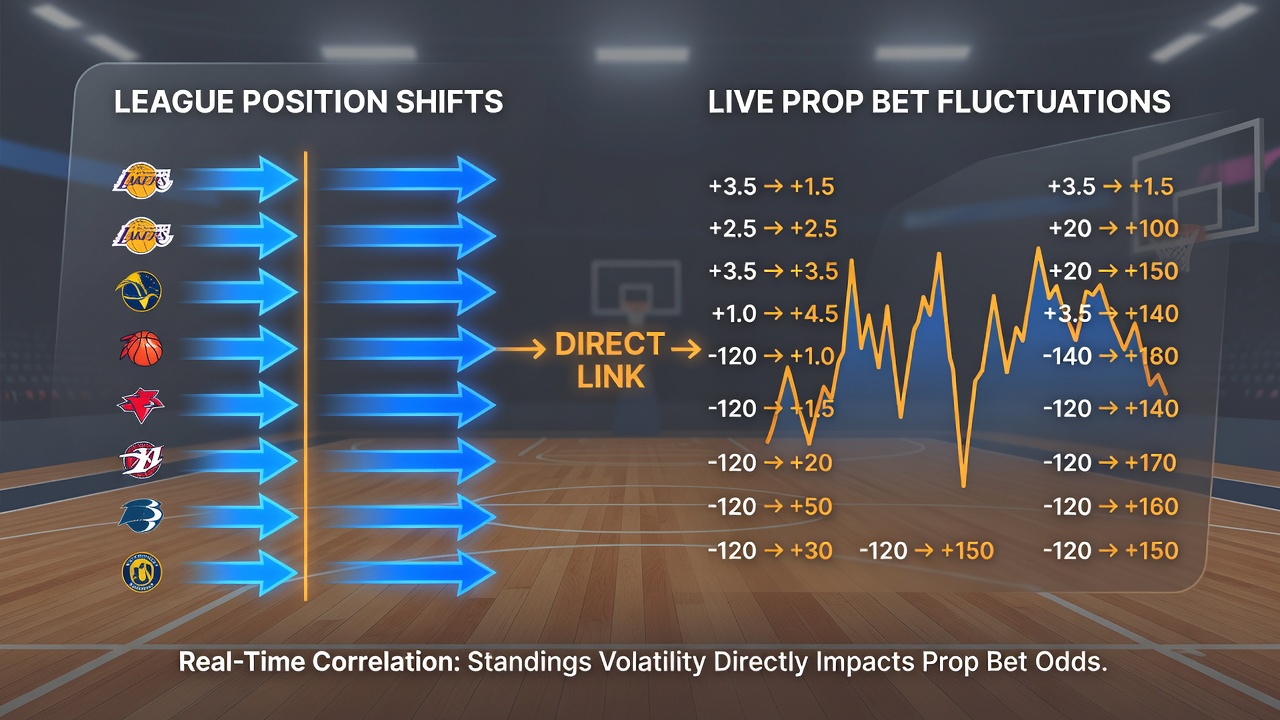
Live prop bet platforms update player totals continuously, and standings changes accelerate those revisions. A team that wins and simultaneously sees a rival lose ground can experience an immediate 1.5-point increase in expected points props for its leading scorer within the first quarter of the next game. Market data collected across multiple sportsbooks indicates that such adjustments occur faster in basketball than in other leagues because the 82-game schedule creates frequent opportunities for position movement.
Coaching decisions tied to standings also affect prop categories beyond scoring. When a club secures a higher seed and begins resting veterans, live bets on rebounds and steals for those players drop as their minutes decrease. Studies of betting patterns from the 2024-2025 and 2025-2026 seasons show that these reductions average 7.8 minutes per game for players on teams that have already clinched playoff berths, directly impacting the corresponding prop lines. Operators respond by tightening limits on those props to manage exposure during live wagering windows.
Observed Patterns Across Recent Seasons
Analysis of conference standings tables paired with prop bet movement logs demonstrates consistent correlations. Teams gaining two or more positions over a seven-day span produced statistically significant increases in live over bets on three-pointer props, as increased motivation translated into higher volume attempts. Data indicates that defensive rebound props for frontcourt players also rise when squads improve their standing, because coaches emphasize second-chance prevention to secure wins against direct competitors.
External factors such as travel schedules and back-to-back games interact with standings pressure to amplify prop fluctuations. Yet the core relationship remains: position shifts alter expected performance distributions, which live markets reflect through rapid line movement. Reports from the American Gaming Association highlight that basketball generates higher volumes of live prop wagers than other major sports, partly because of the frequency of these standings-driven adjustments.
Additional Variables Affecting Fluctuations
While league position serves as a primary driver, injury reports and daily lineup announcements further modulate prop bet responses. When a rising team loses a key rotation player, live lines on remaining contributors shift upward to compensate for redistributed minutes. Market participants track both standings and these ancillary data points simultaneously, producing layered adjustments that reflect combined influences.
International comparisons provide additional context. Regulatory data from the European Gaming Regulators shows similar patterns in European basketball leagues, where promotion and relegation battles create even steeper prop line movements than NBA playoff positioning. These parallels suggest the underlying mechanism operates across different competitive structures.
Conclusion
League position shifts maintain a measurable connection to live prop bet fluctuations in professional basketball through their impact on minutes, strategy, and motivation. Aggregated season data confirms that teams experiencing movement in conference standings trigger corresponding revisions in player performance props during live windows. Operators and bettors alike monitor these dynamics because the relationships produce predictable patterns in market behavior across multiple seasons. Continued tracking of standings alongside real-time wagering activity offers clear insight into how professional basketball markets evolve in response to positional changes.