How Competition Venue Logistics Drive In-Play Betting Modifications on Authorized Platforms for Team Sports
Riley Powell · Sep 18, 2026
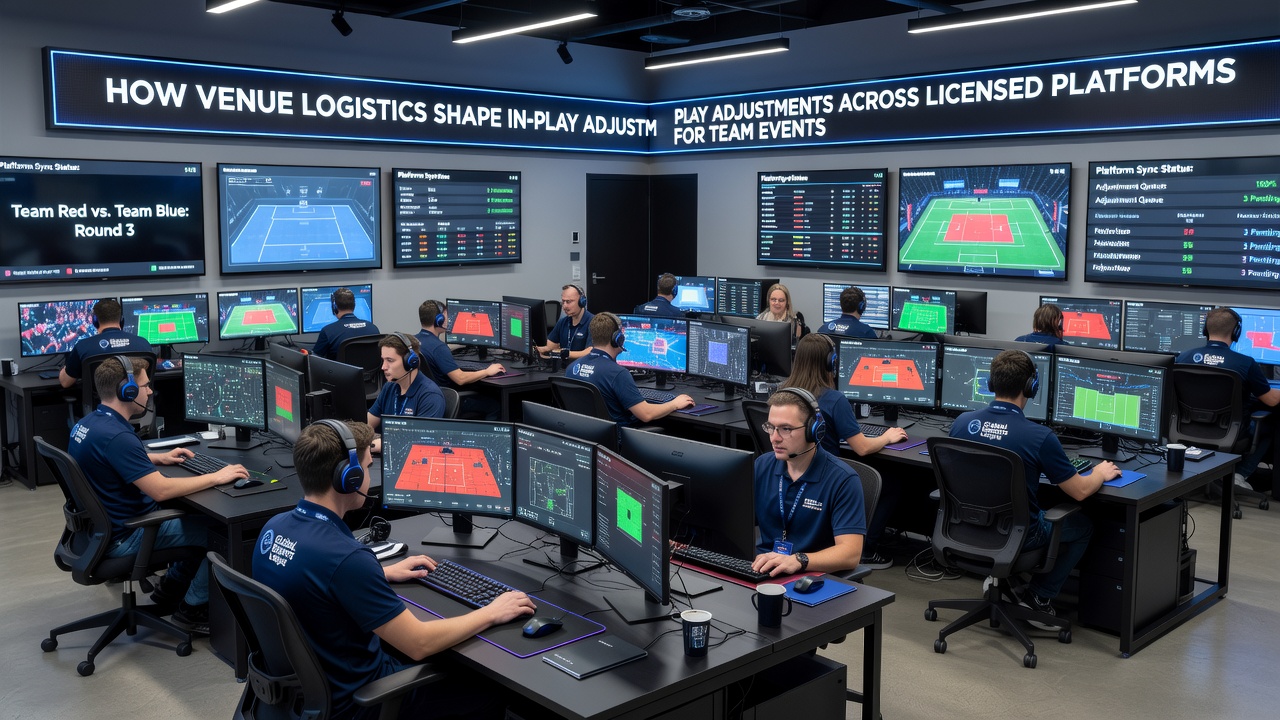
How Competition Venue Logistics Drive In-Play Betting Modifications on Authorized Platforms for Team Sports
Competition venues introduce multiple operational variables that licensed betting platforms must account for when updating in-play odds during team events, and these factors range from access routes for athletes to crowd flow patterns that affect signal transmission speeds. Operators track entry delays, security checkpoints, and seating configurations because each element can alter the timing and accuracy of live data streams used for adjustments across regulated markets.
Core Venue Elements Affecting Data Transmission
Stadium infrastructure determines how quickly platform algorithms receive updates on player substitutions, injury reports, adn environmental shifts during matches, while older facilities with limited bandwidth often create brief lags that prompt conservative pricing models until fresh information arrives. Newer arenas equipped with dedicated fiber connections allow faster integration of venue-specific metrics such as court temperature readings and lighting consistency, which teams and bettors alike monitor for performance impacts.
Researchers at sports analytics centers have documented cases where arena Wi-Fi congestion during high-attendance games slowed the delivery of possession statistics, leading platforms to widen spreads temporarily until reliable feeds resumed. These adjustments reflect direct responses to physical site conditions rather than pure statistical modeling, and they appear consistently across North American and European leagues.
Player Movement and Access Logistics
Team arrival schedules and locker room proximity to the field or court influence the speed at which starting lineups reach official channels, and platforms adjust in-play markets accordingly when delays occur at security gates or parking facilities. In September 2026 several conference basketball tournaments reported extended bus unloading times at downtown venues, prompting operators to hold certain player prop lines until confirmation reached multiple data providers simultaneously.
Those who monitor venue operations note that underground tunnels and restricted corridors can add minutes to player transitions between warm-up areas and the main surface, creating observable gaps in real-time statistics that licensed systems flag automatically. Such patterns appear more frequently at multi-purpose facilities shared by several professional teams, where competing schedules force staggered entry protocols.
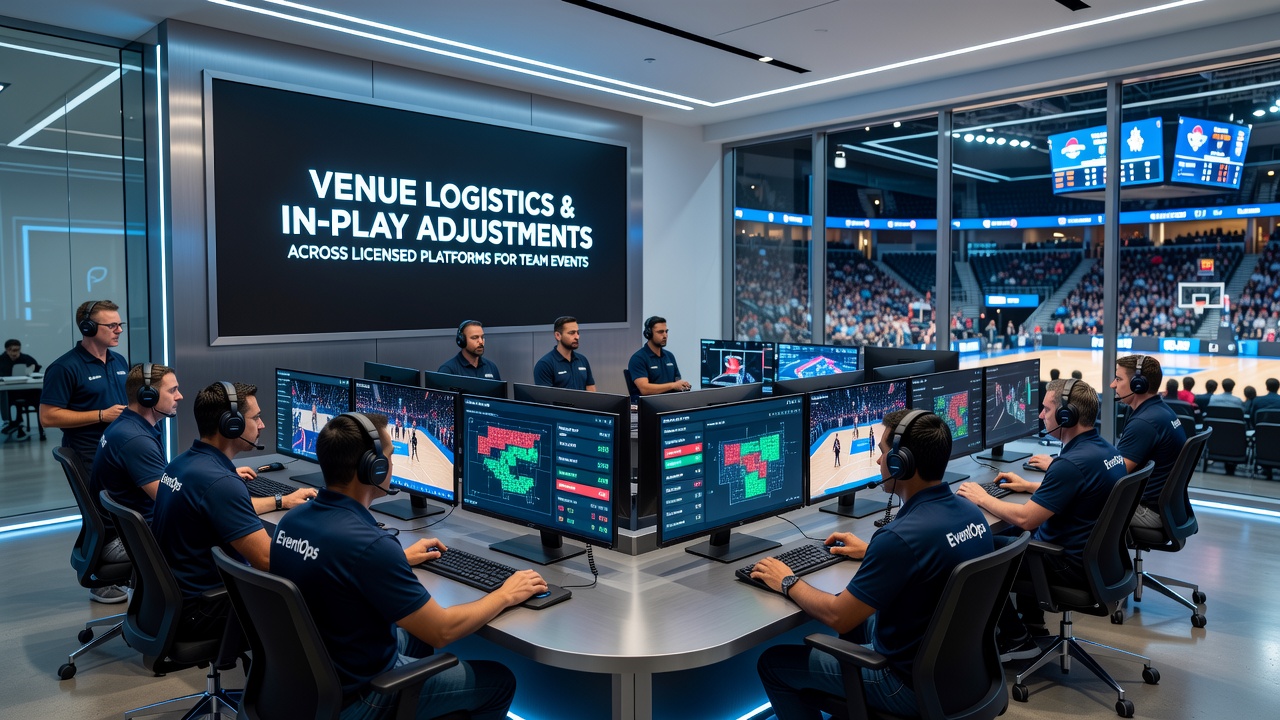
Crowd Density and Communication Infrastructure
High-density seating arrangements place additional strain on cellular networks inside venues, which in turn affects how quickly betting platforms can verify goal-line technology or instant replay outcomes before releasing updated totals. Data collected by industry groups shows measurable differences in adjustment frequency between sold-out arenas and those operating at seventy percent capacity, particularly during evening fixtures when mobile traffic peaks.
According to reports from the American Gaming Association, operators in multiple states have invested in redundant satellite uplinks at major venues to mitigate these interruptions, allowing in-play modifications to continue even when primary venue connections experience brief outages. These redundancies have become standard practice at facilities hosting regular season games across football and hockey leagues.
Regulatory Oversight and Platform Compliance
State gaming commissions in the United States and provincial authorities in Canada require documented procedures for handling venue-driven data delays, and licensed operators must demonstrate that their adjustment protocols account for known infrastructure limitations at each approved site. This oversight ensures that modifications remain tied to verifiable conditions rather than discretionary decisions, with audit trails preserved for review.
Industry associations such as the European Betting and Gaming Association have published guidelines that emphasize coordination between venue management and platform technology teams, particularly for events spanning multiple time zones where logistical variables compound. Platforms that integrate venue floor plans and access schedules into their models produce fewer manual interventions during live play, according to compliance records released in 2026.
Conclusion
Venue logistics continue to shape the precision and timing of in-play adjustments on licensed platforms because physical site conditions directly influence data availability and verification processes during team events. Operators that map these variables in advance maintain tighter alignment between observed conditions and market responses across regulated environments, while ongoing infrastructure upgrades at major arenas support more consistent real-time performance.